




Table of Contents
Table of Contents
China fulfillment cost is one of the first questions ecommerce sellers ask when they source products from China and ship orders worldwide. The simple answer is that China fulfillment costs depend on what you store, how many orders you ship, where customers are located, how products are packed, and which shipping routes you choose.
The more useful answer is this: China fulfillment cost is not one single fee. It is a combination of receiving, storage, pick and pack, packaging, value-added services, international shipping, customs-related costs, tracking, and exception handling.
For ecommerce sellers in 2026, understanding this cost structure matters because fulfillment affects gross margin, customer experience, ad profitability, refund rates, and cash flow. A cheap shipping quote can become expensive if it creates delays, damaged parcels, poor tracking, or customer support problems.
This guide breaks down the main cost components of fulfillment from China and explains how sellers can compare quotes more accurately.
What Is Included in China Fulfillment Cost?
China fulfillment cost usually includes the operational work required to move products from a supplier or factory into a China warehouse, then from that warehouse to customers around the world.
A typical fulfillment cost structure includes:
Inbound receivingWarehouse storage
SKU management
Pick and pack
Packaging materials
Kitting, labeling, or assembly
International shipping
Customs documentation
Tracking upload
Returns, replacements, or exception handling
SendFromChina supports these workflows through services such as China warehouse storage, order fulfillment, pick and pack, ecommerce fulfillment, and multiple logistics solutions.
The exact price depends on your product profile and service needs. A lightweight phone accessory shipping to the United States will have a very different cost structure from a heavy board game shipping to Europe or a beauty product requiring special packaging.
Why China Fulfillment Pricing Varies So Much
There is no universal China fulfillment price that applies to every seller. Providers calculate pricing based on operational workload and shipping variables.
The main factors are:
Product size and weightNumber of SKUs
Monthly order volume
Storage duration
Packaging requirements
Destination countries
Shipping speed and tracking level
DDP or DDU requirements
Product restrictions
Returns and replacement policy
Two sellers may both ask for “China fulfillment,” but one may need simple one-SKU parcel shipping while another needs inventory inspection, custom packaging, kitting, multi-country DDP shipping, and replacement inventory management.
This is why sellers should compare total fulfillment cost, not only the headline shipping rate.
Inbound Receiving Cost
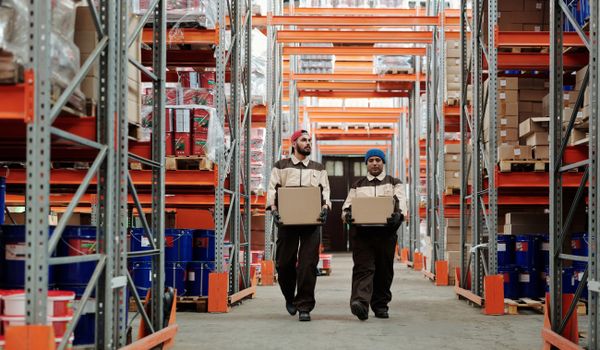
Inbound receiving is the cost of accepting inventory into the warehouse. When your supplier sends products to a China fulfillment center, the warehouse team must receive cartons, check quantities, identify SKUs, and place products into storage.
Receiving cost may be based on:
Number of cartonsNumber of units
Number of SKUs
Whether cartons are labeled correctly
Whether products need counting or inspection
Whether items need relabeling or repacking
Receiving is cheaper and faster when suppliers prepare goods correctly. Clear carton labels, accurate packing lists, SKU codes, and agreed inbound schedules reduce warehouse handling time.
If your products are made in China, storing them in a China warehouse can reduce unnecessary upstream movement before customer orders are placed.
Storage Cost
Storage cost is the fee for keeping inventory in the warehouse before orders ship. It may be charged by cubic meter, pallet, shelf space, bin location, SKU, or storage period.
Storage cost depends on:
Product volumeProduct weight
Number of SKUs
Storage duration
Inventory turnover speed
Special storage requirements
Slow-moving inventory increases cost because it occupies warehouse space for longer. Oversized products also cost more because they use more space even if order volume is low.
For sellers, the goal is not always to minimize storage cost to zero. The goal is to hold enough inventory to avoid stockouts while avoiding excessive overstock. China fulfillment can help sellers keep inventory close to suppliers and ship globally from one inventory pool instead of splitting too much stock across overseas warehouses early.
Pick and Pack Cost
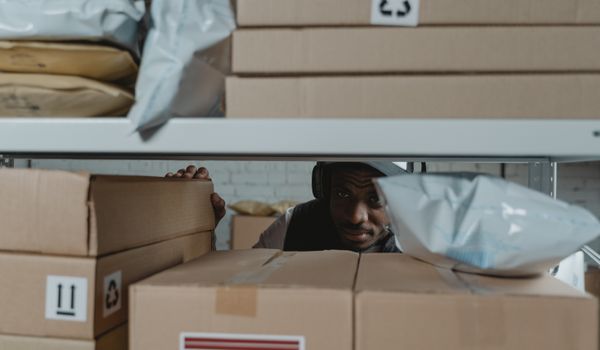
Pick and pack is the cost of selecting products from storage and preparing each order for shipment.
A basic one-item order is usually cheaper to pick and pack than a multi-SKU bundle. Costs may increase when orders include variants, add-ons, fragile products, custom inserts, or special packaging.
Pick and pack pricing may depend on:
Number of items per orderNumber of SKUs per order
Packaging complexity
Barcode scanning or verification requirements
Fragile handling
Bundles or kits
Branded packaging
This fee is important because it directly affects customer experience. Poor pick and pack can lead to wrong items, missing accessories, damaged products, and customer complaints.
SendFromChina’s pick and pack service covers item picking, order verification, secure packing, and shipment preparation from China.
Packaging Material Cost
Packaging cost includes the materials used to protect products during international delivery.
Common packaging materials include:
Mailer bagsCartons
Bubble wrap
Void fill
Tape
Corner protectors
Labels
Custom boxes
Product inserts
Packaging cost is affected by product size, fragility, branding requirements, and destination conditions. A small silicone accessory may need simple packaging, while a board game, electronic device, or fragile beauty tool may need reinforced protection.
Sellers should not treat packaging as a place to cut cost blindly. Weak packaging can increase damage rates, refund requests, replacements, and poor reviews. Better packaging may raise per-order cost slightly but reduce the total cost of customer service and replacements.
SendFromChina provides information on packing materials to help sellers prepare products for cross-border shipping.
Kitting, Labeling, and Value-Added Service Cost
Not every order is a simple pick-pack-ship workflow. Some products require extra preparation before shipping.
Value-added service costs may include:
Product labelingBarcode application
FNSKU labeling
Kitting
Bundle assembly
Product inserts
Thank-you cards
Custom packaging
Quality inspection
Repacking
Manual checking
These costs are common for Amazon sellers, DTC brands, subscription boxes, Kickstarter campaigns, and brands that want a better unboxing experience.
For example, a Kickstarter board game campaign may need base games, expansion packs, cards, dice, and add-ons packed into different reward combinations. A Shopify beauty brand may need branded inserts and protective packaging. An Amazon seller may need labels and carton prep before FBA shipment.
SendFromChina’s value-added services, Amazon seller fulfillment from China guide, and Kickstarter fulfillment service are relevant for these workflows.
International Shipping Cost

International shipping is usually the largest part of China fulfillment cost. It depends on destination country, parcel weight, dimensions, delivery speed, product type, and tracking level.
Shipping cost may be affected by:
Actual weightVolumetric weight
Destination country
Delivery speed
Shipping route
Carrier or line service
Tracking quality
Fuel surcharge
Remote area surcharge
Product restrictions
Customs process
For ecommerce parcels, volumetric weight is often as important as actual weight. A lightweight but bulky item can cost more than expected because carriers charge based on the space it occupies.
This is why product packaging dimensions matter. Reducing box size without compromising protection can lower shipping cost significantly.
SendFromChina’s multiple logistics solutions help sellers compare international shipping routes, while the shipping cost calculator can help estimate cost before choosing a route.
Customs, Duties, DDP, and DDU Cost
Cross-border fulfillment may involve customs declarations, duties, taxes, brokerage, or destination-country rules. The cost responsibility depends on shipping terms and route.
Two common terms are:
DDP: Delivered Duty PaidDDU: Delivered Duty Unpaid
DDP usually means duties and taxes are handled upfront where applicable, reducing the chance that customers receive surprise payment requests. DDU may cost less upfront, but the customer may need to pay duties or taxes when the parcel arrives.
DDP can improve customer experience, especially for crowdfunding, DTC, and premium product shipments. DDU may be acceptable when customers understand that import charges are their responsibility.
The right choice depends on destination market, product value, margin, customer promise, and available shipping channels.
Tracking and Exception Handling Cost
Tracking is not just a customer convenience. It affects support workload and buyer confidence.
Low-cost routes may provide limited tracking, slower updates, or weaker delivery confirmation. Better-tracked routes may cost more, but they can reduce customer anxiety, chargebacks, and support tickets.
Exception handling may include:
Address correctionDelayed parcel investigation
Lost parcel claims
Reshipment
Returned parcel handling
Replacement order processing
Sellers should ask whether these services are included or billed separately. SendFromChina provides shipment lookup through its tracking page, helping sellers and customers check delivery status.
Example China Fulfillment Cost Formula

A practical China fulfillment cost formula looks like this:
Total fulfillment cost per order =
Receiving allocation + storage allocation + pick and pack fee + packaging material cost + value-added service cost + international shipping cost + customs or tax-related cost + exception risk buffer
For example, a simple DTC order may include:
A small receiving allocationA monthly storage allocation
One pick and pack fee
One mailer or carton
One tracked shipping route
No kitting
No special customs process
A more complex Kickstarter reward shipment may include:
Inbound receiving for multiple SKUsStorage for several reward types
Kitting and add-on matching
Reinforced packaging
DDP shipping to selected countries
Replacement inventory buffer
More customer support risk
These two orders are both “China fulfillment,” but their costs are very different.
How to Compare China Fulfillment Quotes
When comparing quotes from fulfillment providers, ask for a full cost breakdown.
Do not only ask, “How much is shipping to the US?” Ask:
What are the receiving fees?How is storage charged?
What is included in pick and pack?
Are packaging materials included?
What are the kitting or labeling fees?
Which shipping routes are available?
Is tracking included?
Are DDP options available?
How are remote area surcharges handled?
What happens if a parcel is lost?
Are replacement orders charged separately?
Are platform integration fees included?
The best quote is the one you can understand and forecast. If a provider cannot explain pricing clearly, it will be hard to protect your margins as order volume grows.
How to Reduce China Fulfillment Cost
There are several practical ways to reduce fulfillment cost without damaging customer experience.
First, optimize product packaging dimensions. Smaller parcels can reduce volumetric weight and shipping cost.
Second, reduce unnecessary SKU complexity. Too many variants, bundles, or add-ons can increase pick and pack time.
Third, improve supplier labeling. Clear carton labels and SKU information reduce receiving labor.
Fourth, choose shipping routes by destination. A single shipping method is rarely best for every country.
Fifth, segment orders by service level. Some orders may need faster delivery, while others can use economy tracked routes.
Sixth, keep inventory turnover healthy. Slow-moving stock increases storage cost.
Seventh, test before scaling. Ship a small batch first and evaluate cost, delivery speed, tracking, and customer feedback.
What Products Usually Cost More to Fulfill?

Some products naturally cost more to fulfill from China.
Higher-cost categories may include:
Bulky but lightweight productsFragile goods
Products with batteries
Liquids, powders, or cosmetics
Oversized items
Multi-component kits
High-value products requiring extra tracking
Products needing branded packaging
Crowdfunding rewards with many add-ons
Is China Fulfillment Cheaper Than Local Fulfillment?
It depends on your business model.
China fulfillment can be cost-effective when products are made in China, customers are spread across multiple countries, and sellers want to avoid importing all inventory to one country before demand is clear.
Local fulfillment can be better when most customers are in one market and fast domestic delivery is essential.
Many brands use a hybrid model. They keep bestsellers in local warehouses and use China fulfillment for new products, global orders, long-tail SKUs, crowdfunding shipments, and replacement orders.
The right question is not “Which model is always cheaper?” The better question is “Which model gives the best balance of cost, speed, inventory flexibility, and customer experience?”
Final Thoughts
China fulfillment cost in 2026 is shaped by more than shipping rates. Sellers need to account for receiving, storage, pick and pack, packaging, kitting, international delivery, customs terms, tracking, and exception handling.
The cheapest quote is not always the best quote. A reliable fulfillment setup should protect margins while supporting accurate orders, clear tracking, and a customer experience that fits your brand promise.
If your products are sourced from China and your customers are global, China fulfillment can help you keep inventory close to suppliers, ship to multiple markets from one hub, and reduce the risk of overcommitting stock to the wrong country.
FAQ
How much does China fulfillment cost?
China fulfillment cost depends on receiving, storage, pick and pack, packaging, value-added services, international shipping, destination country, customs terms, tracking, and product restrictions.
What is usually the biggest cost in China fulfillment?
International shipping is often the largest cost, especially for heavier, bulkier, or remote-destination parcels. Packaging dimensions and shipping route selection can strongly affect cost.
Is China fulfillment cheaper than using a local warehouse?
It depends. China fulfillment can be cost-effective for products made in China and shipped to multiple countries. Local fulfillment may be better for fast domestic delivery in one major market.
How can ecommerce sellers reduce China fulfillment cost?
Sellers can reduce cost by optimizing packaging dimensions, improving supplier labeling, reducing SKU complexity, selecting shipping routes by country, keeping inventory turnover healthy, and testing before scaling.
What is included in pick and pack cost?
Pick and pack cost usually includes selecting products from warehouse storage, verifying order details, packing the parcel, applying labels, and preparing the shipment for carrier handoff.
Does China fulfillment cost include customs duties and taxes?
Not always. Duties and taxes depend on destination country, product value, shipping terms, and route. DDP routes may include duties and taxes upfront, while DDU routes may charge the recipient later.
How do I get an accurate China fulfillment quote?
Provide product dimensions, weight, SKU count, monthly order volume, destination countries, packaging requirements, shipping speed expectations, and any kitting or labeling needs.
 Want to know about our services, fees or receive a custom quote?