




Table of Contents
International Ecommerce Returns: Should Products Go Back to China?
Time: Sep 08,2026 Author: SFC Source: www.sendfromchina.com
A customer in Germany sends back a $24 product. The parcel costs $31 to reach China. Then someone pays to receive it, inspect it, store it, and perhaps replace the packaging. By the time the unit is ready for sale, the return has eaten more than the product margin.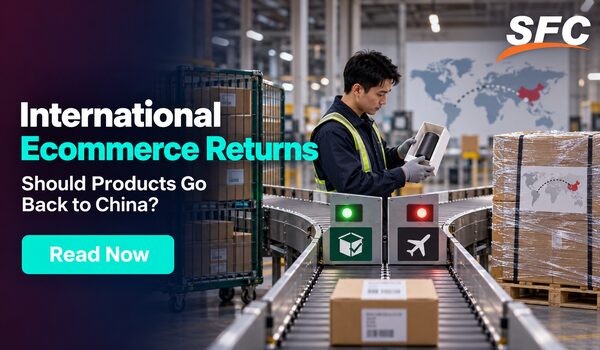
Classify → Calculate → Route → Inspect → Recover → Learn.
The Short Answer Depends on the Product and the Route
- the product has high resale value;
- the item is repairable by a China-based team;
- spare parts or factory support are in China;
- the item is serialized and needs controlled inspection;
- return volume is low enough to keep freight reasonable;
- China is the main inventory and resale market;
- there is no reliable local repair, resale, or recycling route.
- return freight is higher than realistic recovery value;
- the product is bulky or heavy;
- the category has a high return rate, such as apparel or footwear;
- local demand exists for open-box or discounted units;
- the item can be repaired, liquidated, donated, or recycled locally;
- a fast refund matters more than moving the unit across a border;
- re-import paperwork or taxes would make the economics awkward.

The Five Main International Return Models
|
Model
|
Customer destination
|
Final inventory route
|
Best fit
|
Main risk
|
|
Direct return to China
|
China address
|
China inspection and disposition
|
High-value, repairable, low-volume goods
|
Freight and customs can erase margin
|
|
Local return hub
|
Domestic or regional address
|
Local restock, repair, resale, recycle, or batch export
|
Faster refunds and bulky return flows
|
Local storage and labor cost
|
|
Bulk consolidation
|
Local hub
|
Periodic pallet or carton shipment to China
|
Moderate value and predictable volume
|
Recovery is delayed
|
|
Returnless refund
|
Customer keeps or disposes locally
|
No physical recovery
|
Low-value or uneconomic goods
|
Fraud and safety controls
|
|
Hybrid network
|
Local address by market
|
Route by SKU, value, condition, and demand
|
Multi-country brands
|
More rules to maintain
|
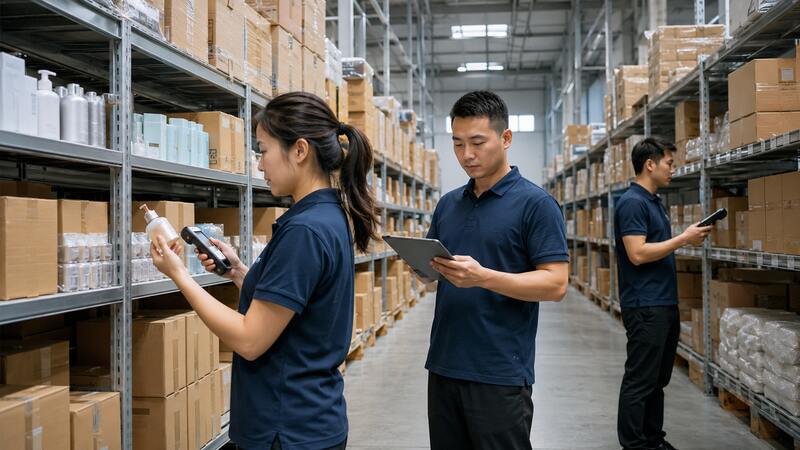
Step 1: Classify the Return Before Choosing the Destination
Classify the Return Reason
- Changed mind.
- Wrong size or fit.
- Not as described.
- Damaged in transit.
- Product defect.
- Missing component.
- Wrong item shipped.
- Failed delivery.
- Suspected fraud or substitution.
Classify the Product Condition
|
Condition
|
Typical decision
|
|
Unopened and resellable
|
Return to the nearest suitable saleable location
|
|
Opened but functional
|
Inspect, grade, repack, and route by channel
|
|
Minor cosmetic defect
|
Repair, discount, seconds, or liquidation if approved
|
|
Missing component
|
Hold for parts or repair
|
|
Damaged or contaminated
|
Quarantine and specialist disposition
|
|
Wrong or unknown item
|
Hold, identify, and investigate
|
|
Serialized or high-value
|
Verify serial, accessories, and chain of custody
|
- SKU and variant;
- serial number or lot;
- expiry date;
- seal and tamper condition;
- accessories and components;
- retail and shipping packaging;
- photographs;
- signs of use, leakage, contamination, or substitution.
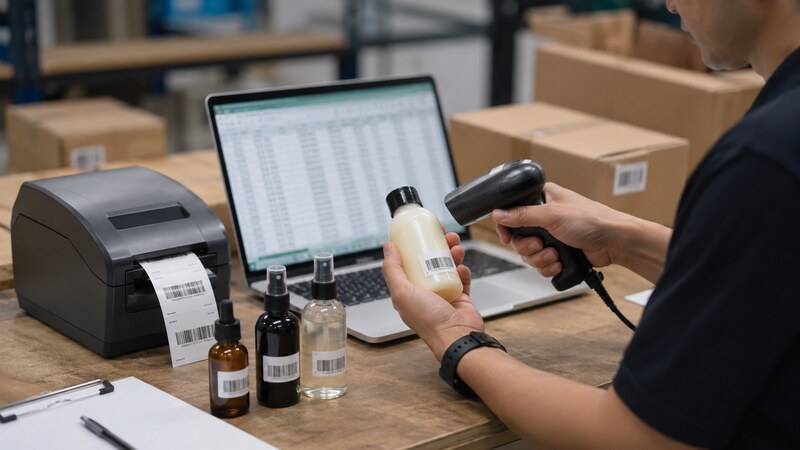
Step 2: Calculate Total Recovery Economics
Illustrative Break-Even Example
|
Route
|
Illustrative cost
|
Result before other commercial effects
|
|
Direct return to China
|
$24 freight + $6 receiving
|
$12 loss against the recovered value
|
|
Local hub
|
$5 label + $3 inspection + $4 local handling
|
$6 remaining
|
|
Bulk consolidation
|
$6 allocated freight + $6 China handling
|
$6 remaining
|
|
Returnless refund
|
No reverse freight; refund still applies
|
Depends on product cost and fraud risk
|
- refund or replacement cost;
- payment-processing fees;
- marketplace charges;
- customer-service time;
- local storage;
- packaging materials;
- lost selling season;
- inventory aging;
- disposal or recycling certificates;
- claim administration.
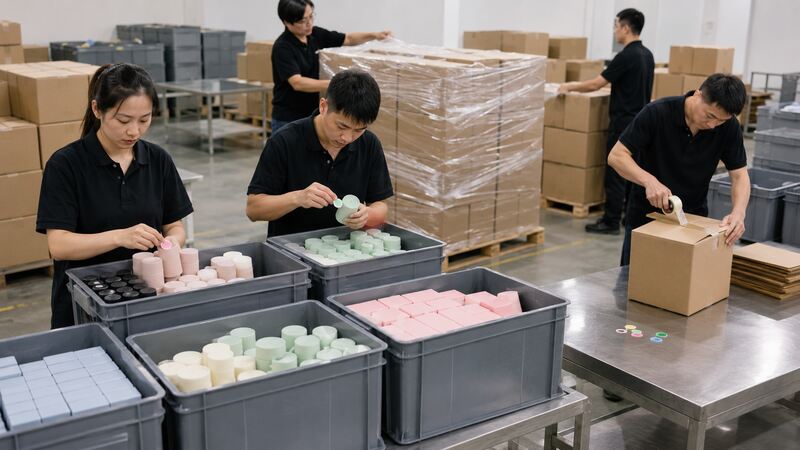
Step 3: Choose the Return Route
When Products Should Go Back to China
- high-value electronics and equipment;
- repairable products with China-based parts or technicians;
- scarce products needed in the China fulfillment network;
- serialized items requiring factory inspection;
- low-volume returns with strong resale value;
- products with no viable local resale or repair option;
- goods already covered by a planned export or consolidation movement.
When Products Should Stay Local or Regional
- return freight exceeds realistic recovery value;
- the product is bulky or heavy;
- the category has high return volume;
- a local discount or open-box channel exists;
- a local repair provider can restore value;
- a faster refund is commercially important;
- the product is expensive or complicated to re-import.
When a Returnless Refund May Work
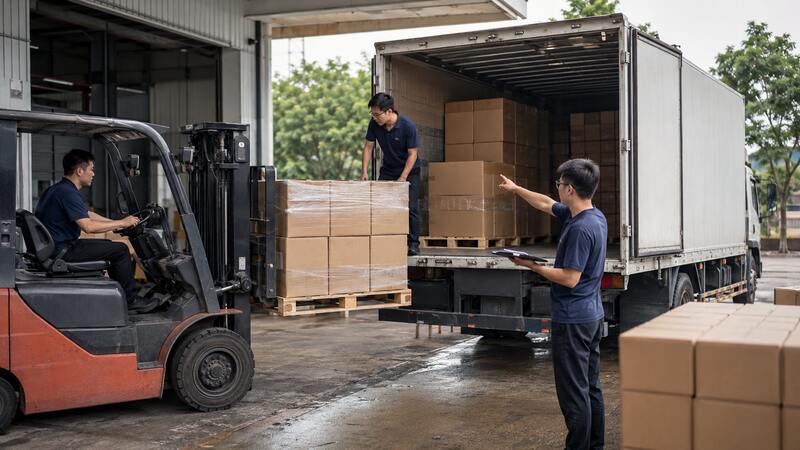
Step 4: Design the Local Return Hub Workflow
- Customer receives a local return address and RMA instructions.
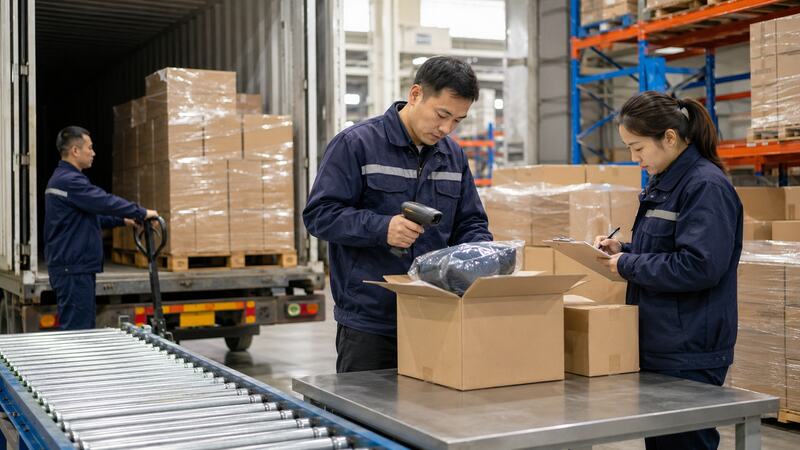
- Hub scans the RMA and links it to the order, SKU, serial, and reason.
- Packaging and product condition are photographed.
- Unit is inspected and graded.
- Refund, replacement, or credit event is sent to the store or marketplace.
- Product is restocked, repacked, repaired, consolidated, liquidated, recycled, donated, or destroyed.
- Inventory and financial records are updated.
Suggested Disposition Codes
|
Code
|
Meaning
|
Inventory action
|
|
A
|
New and resellable
|
Return to saleable stock
|
|
B
|
Opened but functional
|
Repack or approved channel
|
|
C
|
Repairable
|
Hold for repair and retest
|
|
D
|
Beyond economical recovery
|
Liquidate, recycle, or destroy
|
|
E
|
Unknown, wrong, or disputed
|
Quarantine and investigate
|
|
F
|
Safety or regulatory hold
|
Specialist review; block release
|
Step 5: Decide Whether to Consolidate Returns Back to China
- carton or pallet quantity;
- weight or cubic volume;
- accumulated recovered value;
- maximum aging period;
- product category;
- China inventory demand;
- customs and documentation requirements.
|
Question
|
If yes
|
If no
|
|
Is recovered value higher than complete return cost?
|
Consider consolidation
|
Keep local or use a no-return option
|
|
Is there enough volume for an efficient movement?
|
Set a batch schedule
|
Wait, liquidate, or process locally
|
|
Can condition and documentation be controlled?
|
Export with traceability
|
Quarantine or use specialist handling
|
|
Is China the best repair or resale market?
|
Return to China
|
Route to a local or regional channel
|

Step 6: Manage Customs, Duties, and Re-Import Risk Carefully
- what documents are required;
- who is importer or exporter of record;
- how value is declared;
- whether original export evidence matters;
- how duties and taxes are handled;
- whether re-import relief or drawback may apply;
- how damaged, repaired, or substituted goods are described;
- what happens to batteries, liquids, or regulated goods.
Product-Category Routing Guide
|
Product category
|
Routing questions
|
Commonly suitable model
|
|
Apparel and footwear
|
Can it be inspected, repacked, and resold locally? What is the return rate?
|
Local hub or regional consolidation
|
|
Small accessories
|
Is return freight higher than recovered value?
|
Returnless refund or local liquidation
|
|
Electronics
|
Can serial, battery, function, and warranty be checked?
|
Local technical hub or China repair route
|
|
Cosmetics and liquids
|
Is the seal intact? Are storage and transport controls met?
|
Local specialist handling or approved disposal
|
|
Batteries and dangerous goods
|
Is reverse transport permitted and documented?
|
Specialist route; no ordinary return by default
|
|
Bulky products
|
Is local repair or resale cheaper than cross-border freight?
|
Local hub, repair, or liquidation
|
|
High-value equipment
|
Is chain of custody and repair traceability required?
|
Controlled return to China or authorized center
|
|
Food or regulated goods
|
Are expiry, safety, and disposal rules satisfied?
|
Qualified local or regulated route
|
Returns, Refunds, and Customer Experience
- return authorization;
- return label creation;
- receipt scan;
- inspection;
- refund or replacement instruction;
- final disposition;
- customer-service response.
Technology and Inventory Controls
- return authorized;
- label issued;
- in transit;
- received;
- inspection pending;
- saleable;
- repack;
- repair;
- supplier return;
- liquidation;
- recycle or destroy;
- dispute or fraud review.
Reverse-Logistics SLA Terms to Define
|
SLA area
|
Contract definition
|
|
Return authorization
|
RMA creation, label, address, eligibility, and customer instructions
|
|
Receipt
|
Scan event, timestamp, carrier exception, and proof of delivery
|
|
Inspection
|
Time to open, photograph, grade, and report
|
|
Refund
|
Event that starts the refund clock and approval rules
|
|
Disposition
|
Grade codes, authority, evidence, and inventory status
|
|
Consolidation
|
Threshold, schedule, manifest, packaging, and cost allocation
|
|
China return
|
Export, import, customs, taxes, insurance, and documentation owner
|
|
Storage
|
Local and China rates, aging, quarantine, and minimums
|
|
Recovery
|
Resale, repair, credit, liquidation, recycle, donation, destruction
|
|
Reporting
|
Return rate, cost, aging, recovery, reason, condition, and channel
|
|
Claims
|
Damage, loss, wrong return, missing parts, fraud, and evidence
|
Metrics to Track
- cost per return by routing model;
- time from return delivery to inspection;
- time from inspection to refund or replacement;
- percentage restocked as saleable;
- repack and repair success rate;
- recovery value as a percentage of product value;
- consolidation fill rate and cost per unit;
- local liquidation or donation value;
- disposal cost and certificate completion;
- wrong-item or fraud rate;
- customer contacts per return;
- inventory aging in local hubs and China.
Common Mistakes
|
Mistake
|
Consequence
|
Better control
|
|
Sending every return to China individually
|
Freight destroys margin
|
Compare local, batch, and no-return routes
|
|
Using one return address for every country
|
Customers face slow or expensive returns
|
Use market-specific routing
|
|
Comparing postage only
|
Hidden labor and customs costs appear later
|
Calculate complete recovery economics
|
|
Refunding without status control
|
Inventory and finance drift apart
|
Link refund, RMA, and disposition
|
|
Restocking uninspected goods
|
Defective or used stock ships again
|
Require inspection approval
|
|
Mixing saleable and damaged units
|
Recovery and available stock become unclear
|
Separate WMS locations and statuses
|
|
Exporting sensitive goods without review
|
Safety or customs problems occur
|
Use qualified product-specific handling
|
|
Waiting too long to decide disposition
|
Storage and aging consume value
|
Set owner and decision deadline
|
|
Ignoring local liquidation
|
Recoverable value is lost
|
Build local channel options
|
|
Failing to track reasons
|
The same product problem repeats
|
Report by SKU, market, and reason
|
|
Promising local returns without a partner
|
Customer experience breaks at the label stage
|
Confirm hub capacity before publishing policy
|
A 30-Day Returns Setup Plan
Week 1: Classify and Model
Week 2: Select Routes and Partners
Week 3: Build Data and SOPs
Week 4: Pilot and Review
Final Decision Checklist
- Return rate is known by country, channel, SKU, and reason.
- Product value and realistic recovered value are documented.
- Direct-China, local, consolidation, and no-return options are compared.
- Customer return address is separate from final inventory destination where appropriate.
- Local hub, carrier, repair, liquidation, recycling, and disposal capabilities are confirmed.
- RMA, WMS, OMS, ERP, and channel statuses are mapped.
- Inspection, grading, refund, restock, and disposition rules are approved.
- Customs, tax, insurance, safety, and environmental questions receive qualified review.
- China consolidation thresholds and manifests are defined.
- SLA response times, fees, evidence, and reports are written.
- Return aging, recovery, cost, and customer metrics are reviewed monthly.
Conclusion
FAQs
Should all international ecommerce returns go back to China?
When is it cheaper to use a local return warehouse?
How do I calculate the cost of returning a product to China?
What happens to returned products at a China fulfillment center?
Can low-value products be refunded without being returned?
How long should international returns be held before consolidation?
What products should not be shipped back through ordinary return channels?
How should returns affect available inventory?
Can a China 3PL inspect and restock international returns?
What should an international returns SLA include?
 Post Views:38
 TAGS:
TAGS:
Copyright statement: The copyright of this article belongs to the original author. Please indicate the source for reprinting.
Previous Post
Returnless Refunds for Cross-Border Ecommerce: Costs, Risks, and Use Cases
Next Post
3PL Onboarding Timeline: A 30-Day Plan for Launching Fulfillment From China
TAGS
Hot Research
Recent News
Get a Custom China Fulfillment Solution with FREE Storage for 30 Days
Want to know about our services, fees or receive a custom quote?
 Want to know about our services, fees or receive a custom quote?
Please fill out the form on the right and we will get back to you within a business day.
The more information you provide, the better our initial response will be.